- Resources
- News
-
-
Get Email Updates
Sign up for STOP's emails and never miss an update on our latest work and the tobacco industry's activity.
-
Share a Tip
Do you have information on tobacco industry misconduct in your country? Let us know.
-
Get Funding
Ready to tackle industry interference? You could be eligible for a grant.
-
Get Email Updates
Is the tobacco industry interfering in your country?
One hundred countries were evaluated and ranked based on how well their governments are standing up to Big Tobacco. See how your country ranks.
10
Don't see your country?

Argentina
Bangladesh
Belgium

Bolivia

Bosnia and Herzegovina

Botswana
Brazil
Brunei Darussalam

Bulgaria
Burkina Faso
Cambodia
Cameroon
Canada
Chile
China
Colombia
Costa Rica

Côte d'Ivoire

Czechia
Denmark
Dominican Republic
Democratic Republic of Congo

Ecuador
Egypt
El Salvador
Ethiopia
Finland
France
Gabon
Georgia
Germany
Ghana
Guatemala
Honduras
Hungary
India
Indonesia
Islamic Republic of Iran


Israel
Italy
Jamaica
Japan

Jordan

Kazakhstan

Kenya

Kuwait
Lao PDR
Lebanon

Madagascar
Malawi
Malaysia

Maldives

Mauritius

Mexico
Mongolia

Montenegro
Mozambique

Myanmar

Nepal
Netherlands
New Zealand
Nicaragua

Nigeria
Norway
Pakistan
Palau
Panama
Papua New Guinea

Paraguay

Philippines

Poland
Republic of Korea

Romania

Senegal
Slovenia
Solomon Islands
South Africa
Spain

Sri Lanka

Sudan
Sweden
Switzerland

Tanzania
Thailand
Tunisia
Türkiye
Uganda
Ukraine
United Kingdom
United States of America

Uruguay

Venezuela
Vietnam
Yemen

Zambia
Get the full picture on which countries are fighting back, and how.
The Global Tobacco Industry Interference Index shows which governments are leading the way in protecting policies from Big Tobacco’s meddling, and which governments can do better.
Global Report
In partnership with

Trends by Region
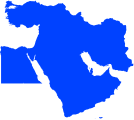

In Zambia, a Tobacco Act protecting the industry was passed in 2022, while the draft tobacco control bill has been languishing since 2018. In Mozambique and Tanzania, draft tobacco control bills have not been tabled in Parliament.
In Cameroon, pictorial health warnings (PHW) on cigarette packs were due to be implemented in 2019, but the government granted an extension until 2023, following industry requests. They are still not fully enforced. Governments in the Democratic Republic of Congo and Nigeria also gave in to industry pressure to delay PHW implementation.
Several Japanese Embassies participated in Japan Tobacco International (JTI)-funded CSR events, facilitated MOUs and explored in-country investment opportunities for the tobacco company. The Korean Embassy supported KT&G’s business activities in at least three countries. The Bangladesh Embassy in Tokyo hosted a delegation from JTI and endorsed its activities in Bangladesh.
Departments of health in India, Indonesia and Myanmar have adopted guidance or codes of conduct for interacting with the tobacco industry, but have not extended these to the whole-of-government, leaving some departments vulnerable to industry influence. In the Philippines, the government’s Article 5.3 policy has been compromised as non-health departments accepted a donation from and endorsed the industry.
In countries with state-owned tobacco enterprises, such as Lebanon and Tunisia, high-ranking government officials visited tobacco company headquarters, met regularly with industry representatives and lauded the industry’s achievements. In Yemen, government officials attended industry product launches and events.
In Jordan, the Minister of Trade also held a consultancy position with PMI. Pakistan saw at least three former government officials move from the public sector to the Pakistan Tobacco Company. In Tunisia, the Minister of Finance was President of the state-owned tobacco company’s Board of Directors, and three Ministry officials served as Board members.
In Bulgaria, the government offered national subsidies to tobacco growers that were three times more than the value of the tobacco produced. In Romania, the government provided direct subsidies to tobacco growers at a rate that made tobacco one of the most subsidized crops per hectare. In Switzerland, the government provided nearly 115 farmers with subsidies for planted tobacco.
Two members of the U.K. House of Lords served as directors of an industry-funded cigarette litter clean-up company. In Belgium, the city of Flanders signed an agreement with PMI and the Federation of Cigarette Manufacturers for an anti-litter campaign. Four Danish municipalities collaborated with tobacco manufacturers to develop cigarette butt collectors.
A national deputy in Argentina introduced a bill to legalize and establish a regulatory framework for electronic smoking devices (ESDs), in an attempt to override an existing ESD ban. In Brazil, a senator introduced a bill to legalize the production and marketing of e-cigarettes, despite an existing ban, and admitted the industry’s role in drafting the bill.
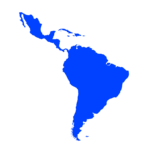
In Panama, a public registry exists, but there were no specific rules that entities related to the tobacco industry must be registered. In Colombia, the House of Representatives has a register for lobbyists, but it remained voluntary. In Mexico, the Congress of the Union required lobbyists to be registered, but some legislators received unregistered lobbyists. In the Mexican Senate, there was no option to classify a lobbyist as specifically from the industry.
Issues
Without full implementation of Article 5.3 of the WHO FCTC, which aims to protect public policies from the influence of the tobacco industry, the industry is able to target departments friendly to its business, partner with governments on social programs that improve its reputation and apply influence outside of the public eye.
Around the world, the industry promoted e-cigarettes and fought regulations around them using its tobacco harm reduction narrative. Some governments gave into industry pressure to reverse bans, delay regulations or grant e-cigarettes preferential tax rates. Some government officials filed bills to legalize e-cigarettes, despite the growing global youth e-cigarette epidemic.
Thirty-two countries have banned tobacco industry-related corporate social responsibility (CSR) activities, yet the industry continued using CSR to try to improve its public image and strengthen partnerships with governments around the world. Governments let the industry greenwash its business practices by collaborating on cigarette litter clean-ups and tree planting events, and accepted charitable donations from the industry.
The tobacco industry continued to aggressively attack tobacco taxes around the world, which are proven to reduce tobacco use. The Index shows that some governments protected their tax policies, while many others gave in to industry pressure to not increase taxes, or allowed the industry to influence tax reductions or preferential tax rates for specific products.
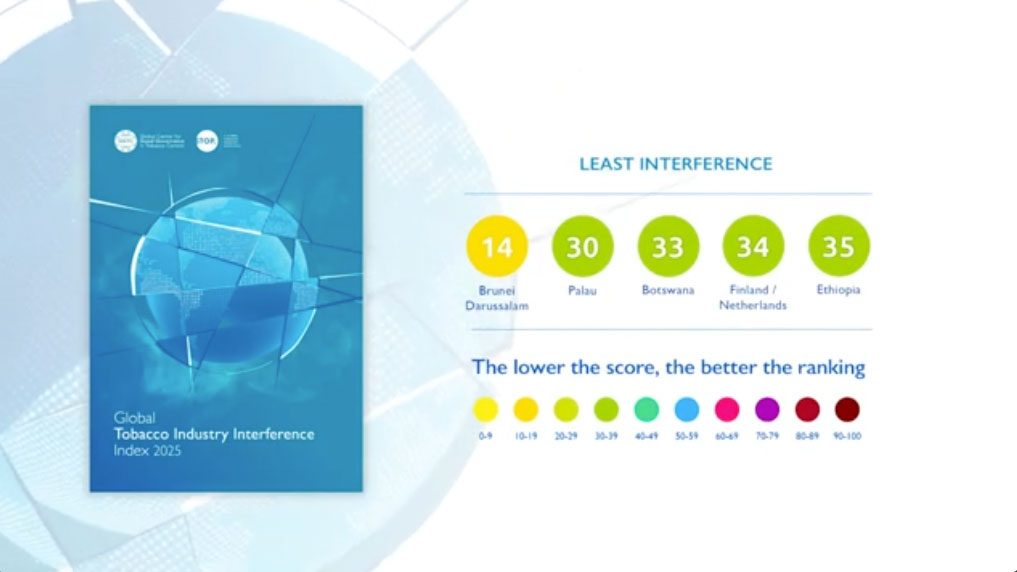
See the tactics the industry uses to undermine tobacco policies—and how countries are fighting back.
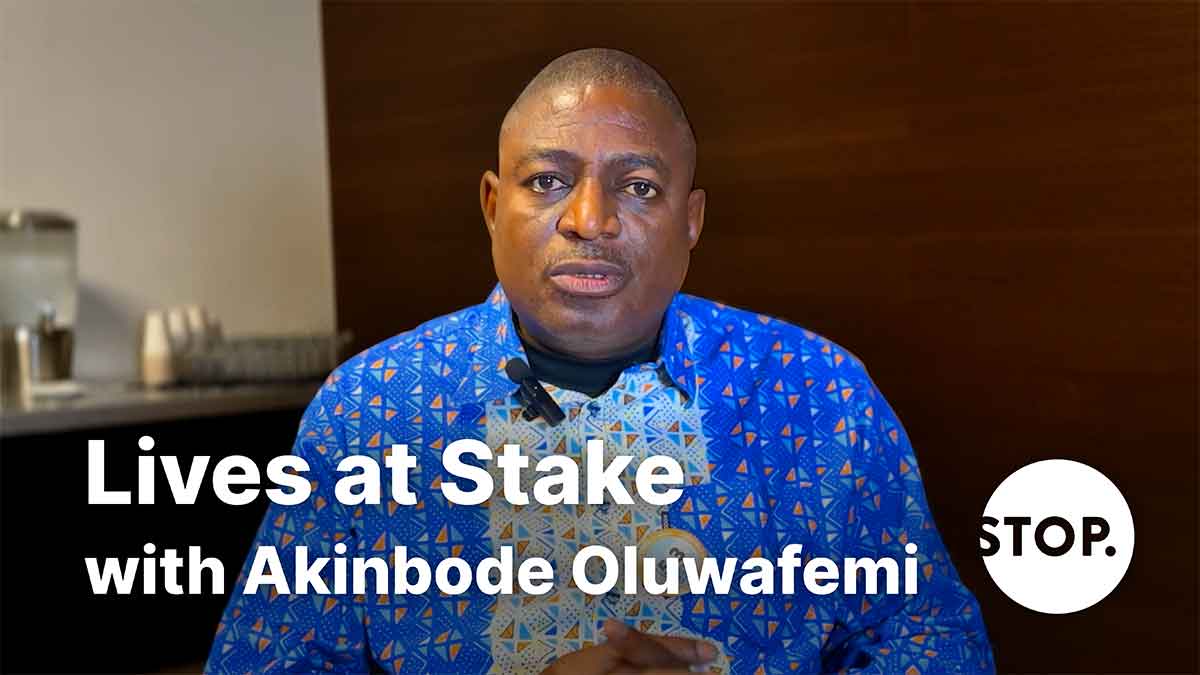
Oluwafemi details his many experiences with the tobacco industry and what keeps him motivated despite efforts to silence him.

Al-Uar shares how protecting her 4-year-old from secondhand smoke inspired her to advocate for all of Jordan’s youth.

Chen and McGaw are reclaiming Jamaica’s future by protecting the next generation from the tobacco industry’s harmful tactics.
McGruder shares how the industry has long targeted Black people in the U.S., and why policymakers must “be bold” in putting an end to it.